Sunday lunch in Southern Italy: a ritual made of love, ragù, and family
In Southern Italy, Sunday lunch is not just a meal. It is a ritual that fills the entire day and brings the whole family together around one table. A tradition that smells of ragù from early in the morning, sounds like laughter and chatter, and tastes like home.
For many years, I practically lived with my grandmother. And every Sunday, I was by her side in that kitchen.
The preparation began early — very early
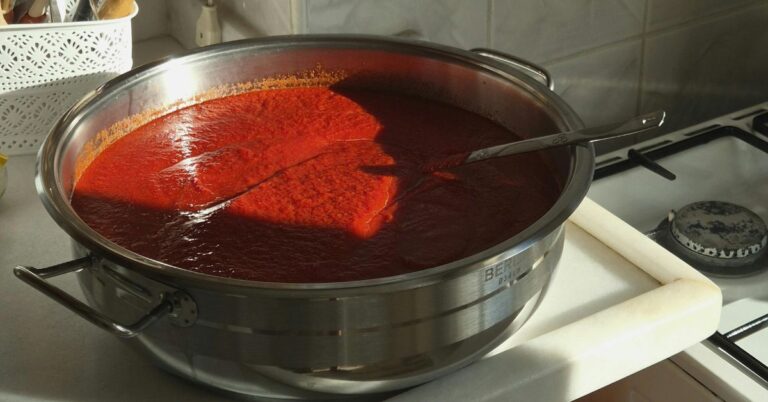
At 7:30 in the morning, while the espresso was brewing on the stove, my nonna would already be setting a second pot on the flame: the ragù. The tomato sauce had to pippiare — to simmer slowly, almost whispering — for at least four hours. No shortcuts. No rushing. That was the rule.
And so, at breakfast time, the smell of espresso would mix with the scent of soffritto — onion, carrot, and celery gently frying in olive oil — in the most unique and comforting combination you can imagine. Coffee and ragù. That was Sunday morning.
A Dolce for everyone
After breakfast, my nonna would turn her attention to the dessert. In many Italian homes, the Sunday tradition is to buy a guantiera — a tray of pastries from the local pasticceria: cannoli, babà, sfogliatelle. Beautiful, indulgent, festive, rich.
But my nonna always preferred to make something herself. Baking was her love language — a simple crostata, homemade biscuits, an apple cake. Nothing overly elaborate, but made with her hands and her heart. It was her way of showing affection to her children and grandchildren, and she kept baking her Sunday dolce for as long as her health allowed.
That, to me, is the truest form of Italian hospitality.
A few Assaggi
While the dolce was in the oven and the ragù was quietly pippiando on the stove, my nonna would begin preparing the second course — usually meat — and the side dishes.
By this point, late morning had arrived. The Pope’s Sunday Mass was on television in the background. And between one assaggio and another, we had practically already eaten half the meal before sitting down.
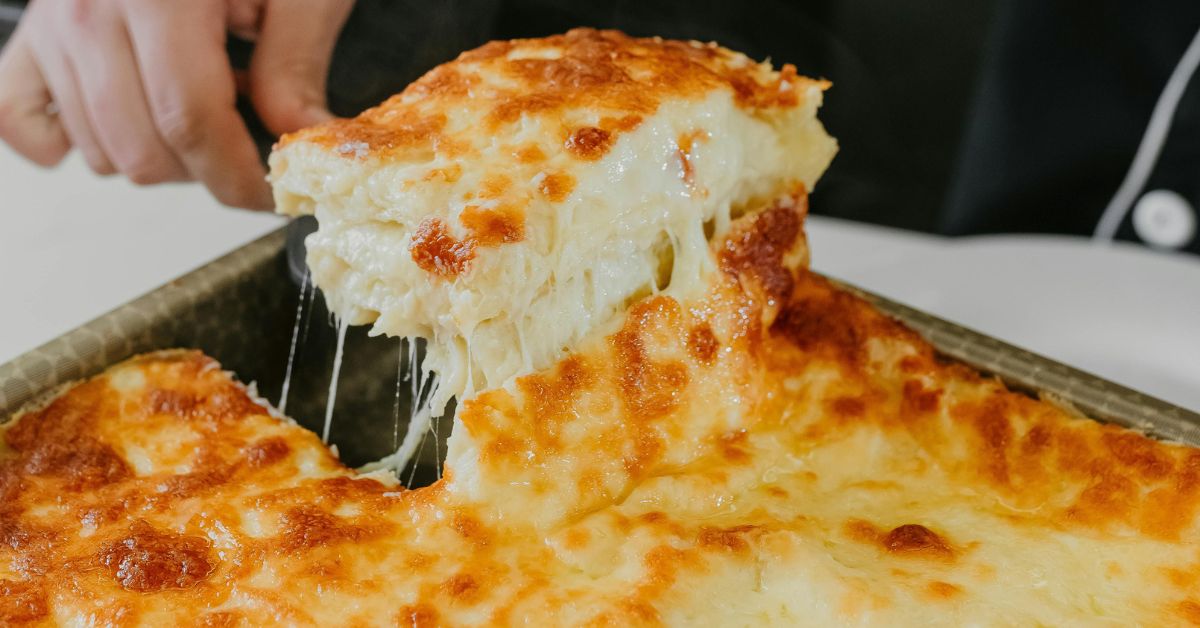
The last thing to prepare was always the pasta — and Sunday pasta was never ordinary. It was often pasta al forno: layered and baked, enriched with mozzarella, ricotta, and minced meat. Sometimes lasagna. Sometimes cannelloni. Sometimes a special pasta shape we only made on Sundays. Whatever it was, it was generous, warm, and made for sharing.
Setting the table for twenty
As the final dishes came together between oven and stovetop, the table was set — a long table, because every Sunday there were fifteen to twenty people: children, grandchildren, cousins, aunts and uncles.
A bottle of wine was always there. So was the pane casareccio — homemade-style bread — and perhaps some dried fruit or nuts for spuzzuliare: that beautiful Neapolitan word for nibbling something between one course and the next.
The real ingredient: Conversation
When everyone sat down, the eating almost came second.
The conversation wandered everywhere — from school grades to village gossip, from politics to holiday plans. Everything found its place in those long hours sitting together, making famiglia before making a meal.
And at the center of it all was my nonna — the one who had worked the hardest and eaten the least. She had already mangiucchiato (nibbled here and there) while cooking, and she was always in motion — reheating, portioning, cutting, serving. Watching over everyone.
That was her Sunday. That was her joy.
When Sunday changed
My nonna passed away a few years ago. She was the hearth of our home, and when she left, things changed — quietly but deeply. And then, a year ago, I moved abroad.
Today I live alone, in a country where Sunday does not carry the same social weight, the same sense of ritual and togetherness. Here, people eat quickly — to fuel the body, not the soul. Simple meals, because there is no patience for spending hours at the stove, no desire to get your hands floury or to wash a mountain of dishes. Here, Sunday is just another day.
And somewhere along the way, Sunday lost that magic for me too. That ritual scent of family and ragù from early in the morning.
Carrying the table with me
But here is what I have learned: those Sundays are not lost.
They live in me — in the way I instinctively start cooking early when I have someone over for lunch, in the way I always want to make something sweet for guests, in the way I cannot eat without bread on the table.
My nonna’s Sunday is part of who I am. And it is part of every stitch I make.
Did Sunday lunch play a special role in your family too? I’d love to hear your stories — leave a comment below or come find me on Instagram.
Explore my handmade crochet collection — pieces made with the same love and care that filled my grandmother’s kitchen — in the Shop.
Made with Amore. Always.